
Web & App Development
Next-Gen Speeds: How Headless Frontends and Mobile Apps Retain Ad Traffic
David LeeJune 05, 20265 min read

If ad campaigns land users on a slow-loading monolithic checkout page, conversions drop. A fast checkout funnel built on headless frontends is essential.
| Performance Metric | Monolithic Platforms | Headless Next.js Funnels |
|---|---|---|
| Average Page Load Speed | 4.8 seconds | 0.8 seconds |
| Time-To-First-Byte (TTFB) | 750ms | 45ms |
| Lighthouse Performance Score | 35 - 55 / 100 | 98 - 100 / 100 |
| Target Conversion Rate | 1.2% - 1.8% | 3.2% - 4.5% |
Dynamic Mobile App Architectures
Launching native apps using cross-platform frameworks like React Native allows us to deploy matching experiences to both iOS and Android App Stores from a unified codebase, reducing development timelines by half.
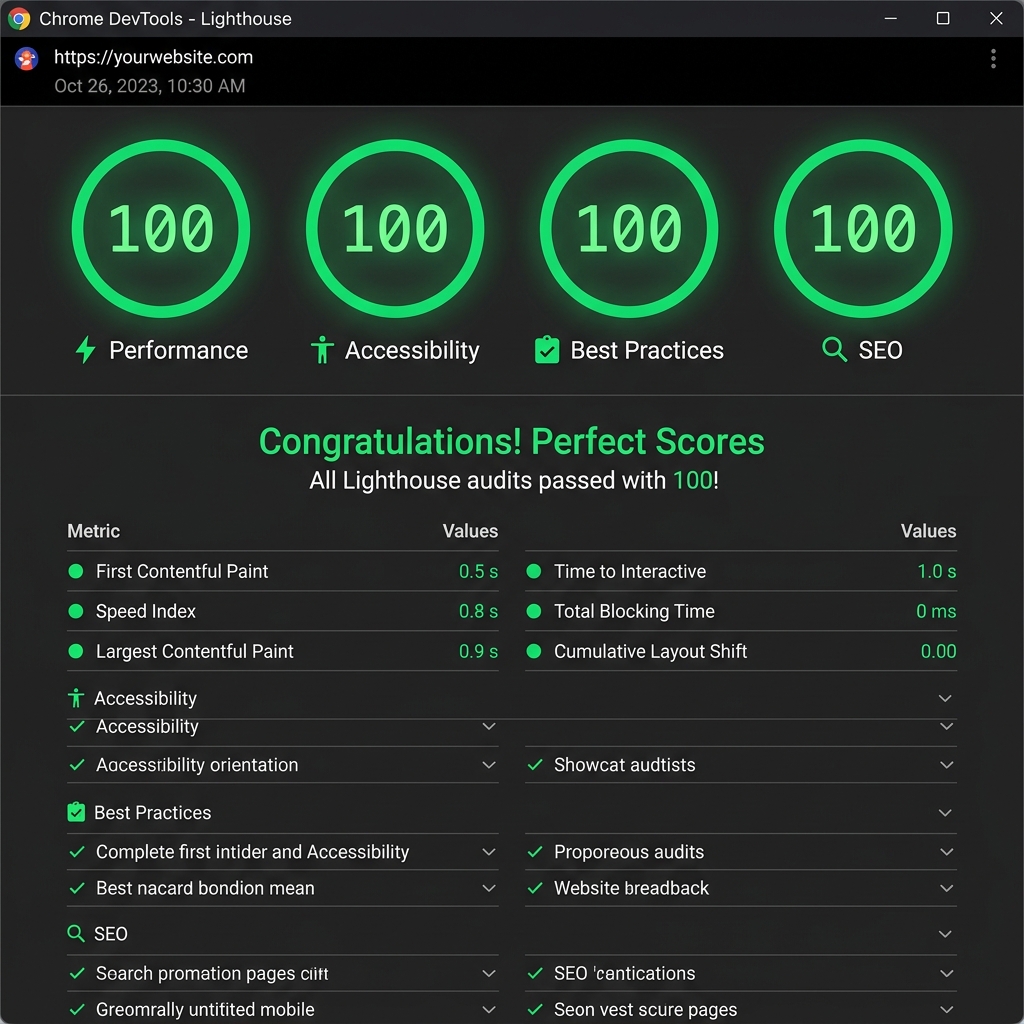
Incremental Static Regeneration (ISR)
Next.js enables content updates without site-wide rebuilds. Dynamic database content is re-generated in the background on specific request cycles, maintaining static delivery speeds for all checkout visitors.
Share this article:
D
Written by David Lee
Head of Development at Triflex Media, specialized in custom growth strategies, visual interfaces, and technical CRM automations.